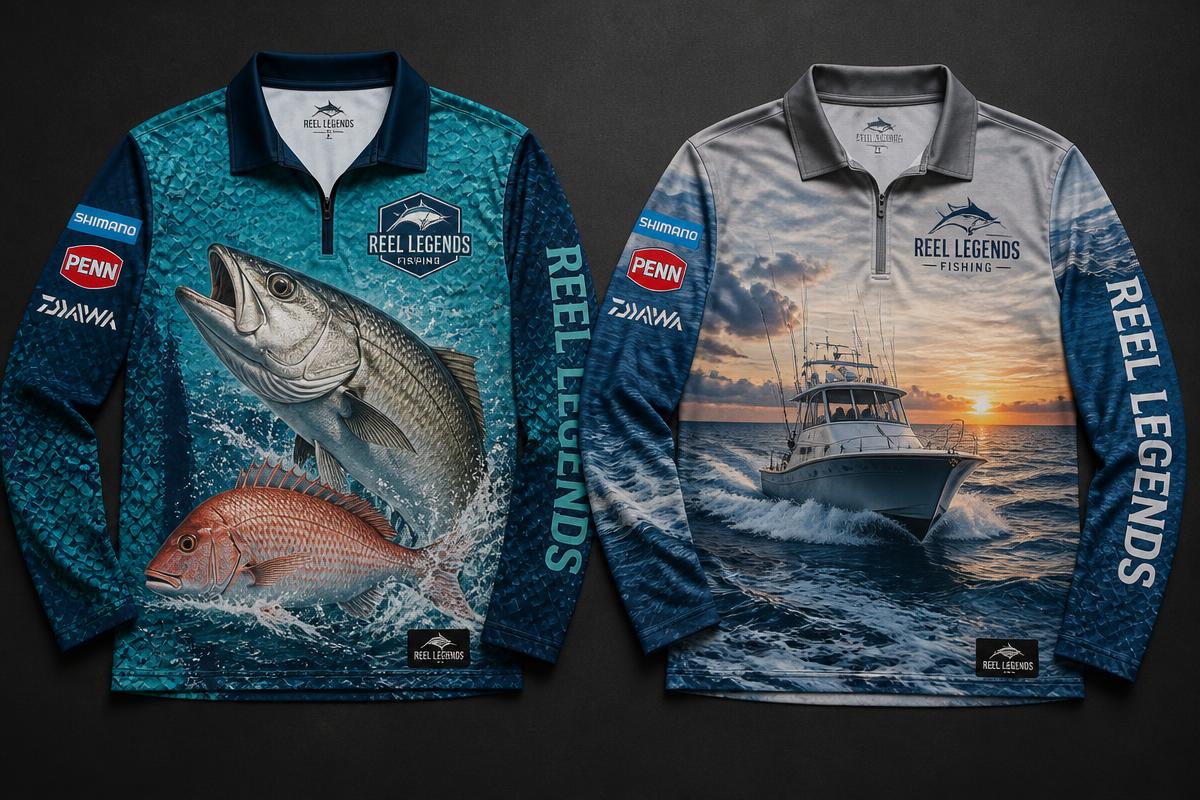
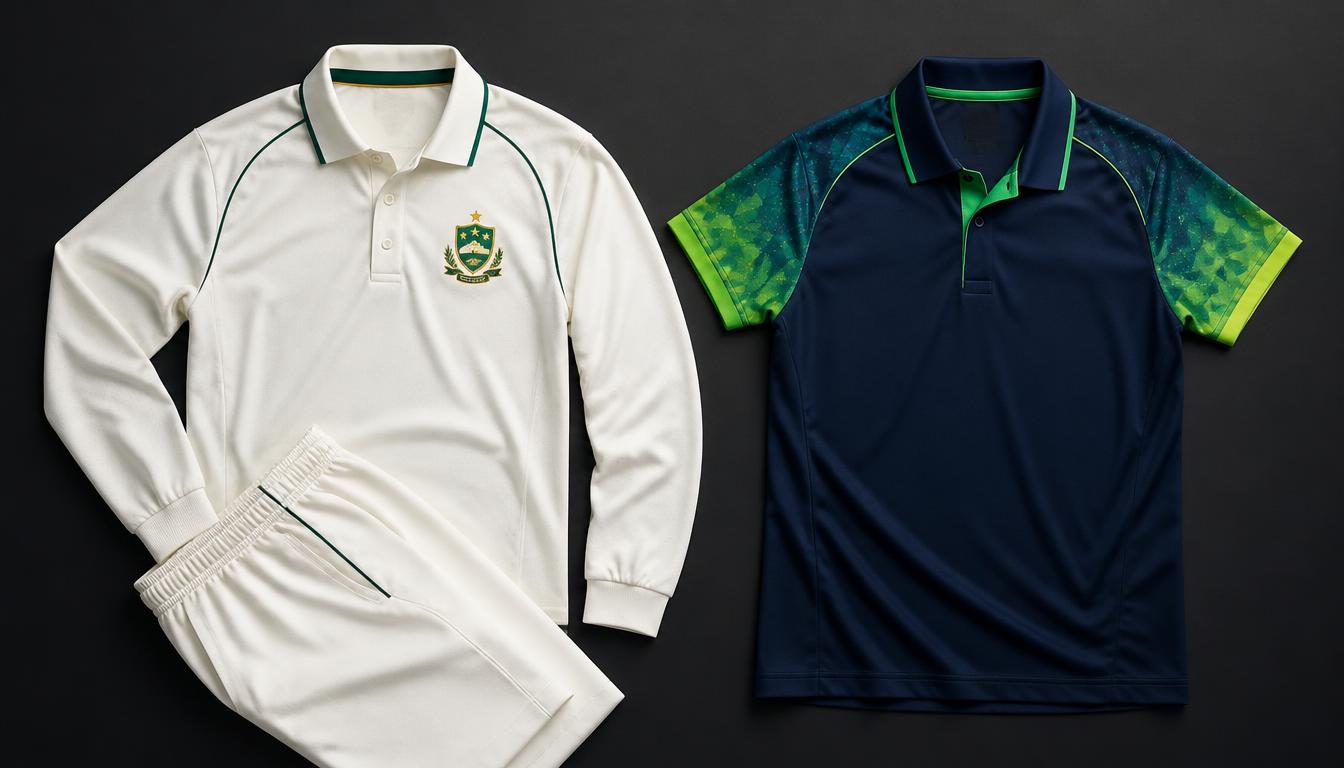
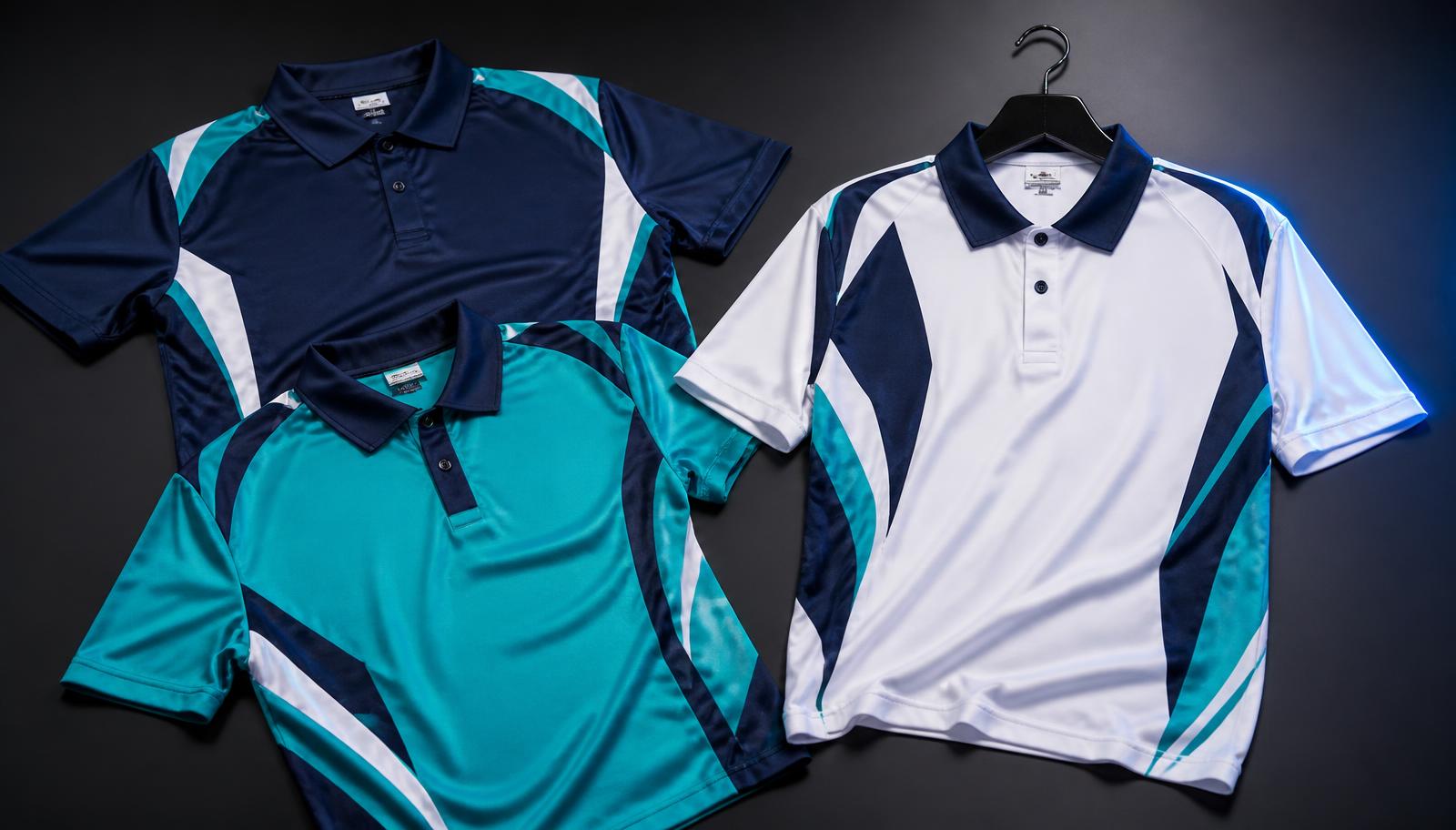
How to Build a Club-Wide Apparel Program: Budgets, Orders, Sizing, Sponsors
Build a seamless club-wide apparel program — covering budgets, ordering windows, sizing days, sponsor spots and reorder logistics that keep volunteers sane.
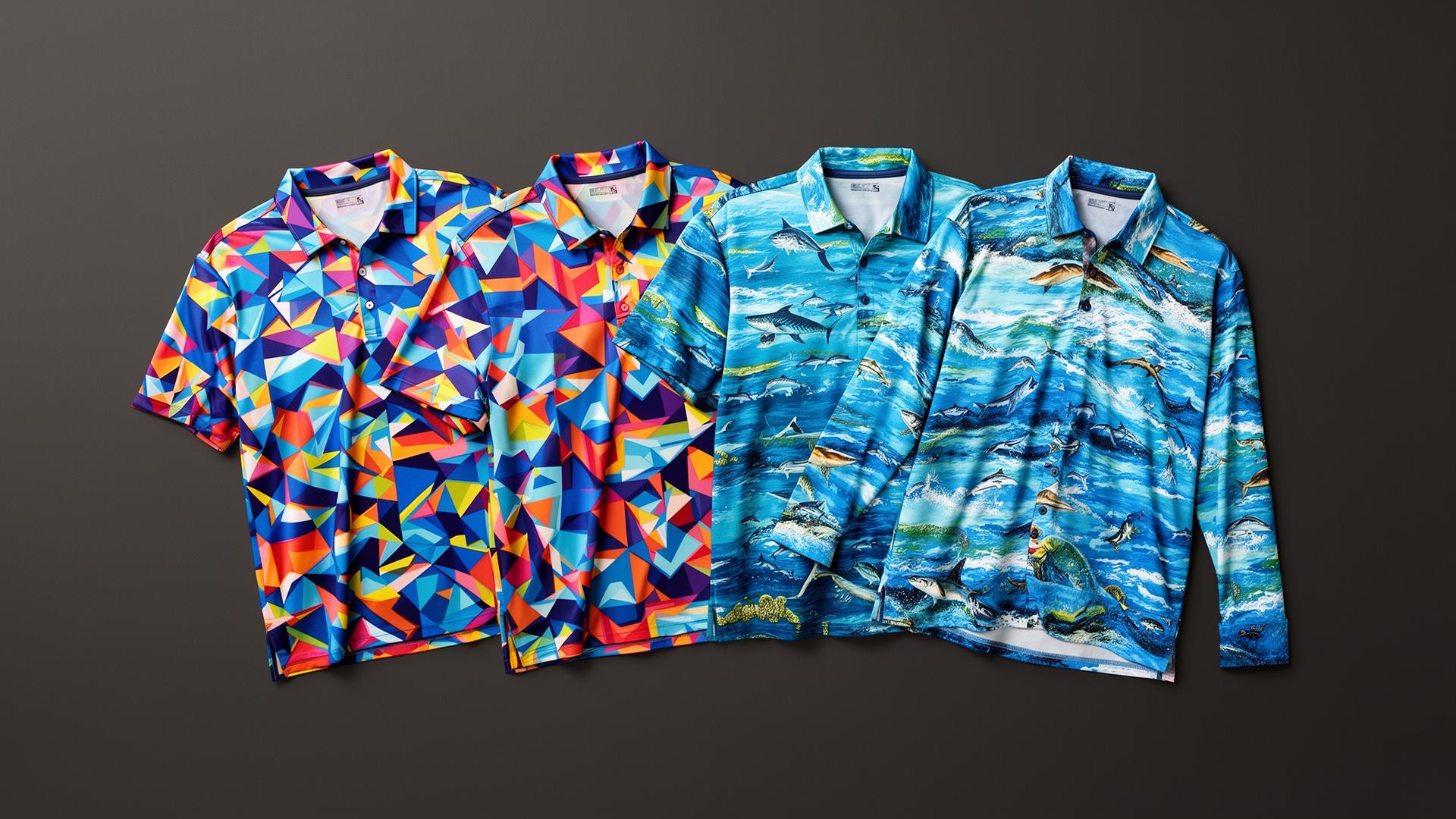
A strong club apparel program is about more than a single guernsey order. When every player, coach, volunteer and supporter is in clean, consistent gear from pre-season to finals, the whole club feels more united. It sends a message that you are organised, professional and proud of what you stand for.
To get there, you need a clear plan, not a last-minute scramble. A full club-wide program covers budgeting, ordering windows, sizing days, sponsor spots and simple reorder rules. When these pieces work together, you save time, reduce stress for committee members and give families a smoother experience right across the season.
Set a Realistic Apparel Budget Before Pre-Season
The first step is planning your apparel year around the Aussie sporting calendar. For many winter codes like AFL and rugby, that means:
- Pre-season: Feb to Mar
- In-season: Apr to Sep
- Off-season and planning: Oct to Jan
For summer sports, just flip those months. Map when you will need orders placed, delivered and paid for. Then break your budget into clear buckets so nothing is missed.
Key categories usually include:
- On-field kit, jumpers, shorts, socks
- Training gear, tees, singlets, shorts
- Staff and volunteer apparel, polos, jackets, caps
- Supporter merch, hoodies, beanies, scarves
- A small contingency for late sign-ups and mid-season top-ups
Funding can come from a mix of player levies, sponsor support, fundraising, canteen profits and member pre-orders. When the committee locks in an apparel budget early and sticks to it, you can plan orders with confidence and keep timelines under control.
Design a Custom Team Apparel Range That Actually Works
Next, you want a clean, simple range of custom team apparel that works for real life. Too many pieces confuses families and creates stock headaches. Too few, and you miss chances to build club pride.
A smart way to think about your range is by layers and occasions:
- Game day: guernseys, shorts, socks
- Training: training tees, shorts, singlets
- Travel and off-field: polos, track pants, jackets
- Supporters: hoodies, caps, beanies
Keep colours, logos and fonts consistent right across the club, from juniors to seniors. This gives you a strong, recognisable look on the sideline and in the community. Working with a custom team apparel specialist helps you set style rules once, then apply them to every age group and code.
To keep it simple for families, build:
- Must-have core items: playing kit, training tee, club hoodie
- Optional upgrade pieces: spray jackets, polos, caps, extra training gear
This way, every player has what they need, and those who want more gear can add it, without the range getting out of hand.
Lock in Ordering Cycles and Stress-Free Sizing Days
Random one-off orders drain volunteers and blow out freight costs. Instead, plan 2 or 3 main ordering windows each year. For a winter club, a common setup is:
- Pre-season main order: full playing kit, training gear, staff gear
- Mid-season top-up: late registrations, replacements, popular supporter items
- Finals or summer program: extra hoodies, jackets, or summer merch
With firm dates, everyone knows when to order and when gear will arrive. That alone cuts a lot of stress.
Sizing days are the next big win. Run them at the clubhouse or school, and make them an event, not an afterthought. Good practice is to:
- Promote dates early through all your usual channels
- Group age divisions into time slots to manage crowds
- Use sample kits from your apparel partner so people can try actual sizes
- Capture sizes digitally so nothing gets lost on scraps of paper
Not every family can be there, so back it up with:
- Easy-to-read online size charts
- Simple order forms or online ordering
- Clear cut-off dates, with no exceptions, so production stays on track
Make Sponsors Part of the Apparel, Not an Afterthought
Sponsors love being on gear that actually gets worn. To keep sponsors happy and your kit looking sharp, build sponsor spots into your apparel plan from the start.
Think in terms of clear levels:
- Premium: front of guernsey or jumper
- High visibility: back of guernsey, sleeves, shorts
- Supporter and training: training tees, hoodies, jackets
- Extras: caps, beanies, bags
Set these spots in your sponsor packages so new backers know exactly what they are paying for. Then keep your artwork process tight. That usually means:
- Requesting high-resolution logos in the right formats
- Agreeing on logo colours, size and placement early
- Using visual mock-ups from your apparel partner for final sign-off
Timing is key. Try to lock in sponsors before you finalise designs and place main orders. If sponsors change between seasons, keep a simple rule for when logos can change on apparel, so you are not stuck with boxes of old gear that no one wants to wear.
Nail Reorder Logistics and Keep Stock Under Control
Reorders can either run smoothly or turn into a headache. The trick is to choose a model that fits your club and stick with it.
Most clubs sit somewhere between:
- Holding limited stock on site, a few of each size in core items
- Running made-to-order or short ordering windows through an online club shop
Holding some stock helps with late registrations and lost kit, but you do not want piles of leftovers. A simple reorder system helps avoid that. For example:
- Set minimum quantities for repeat production
- Agree on standard lead times with your supplier
- Keep a small emergency box for the most common sizes
- Communicate clear order cut-offs to parents and players
Even basic tracking goes a long way. A simple spreadsheet or membership system can show:
- How many of each size you order
- What actually sells
- What sits in the cupboard until the next raffle
After each season, review what worked and what did not. Adjust quantities, remove slow items and make space for the pieces that players and supporters actually love.
Turn Your Apparel Plan Into a Club Growth Strategy
When your club has a clear, repeatable apparel plan, committee handovers become much easier. Document your key details:
- Budget outlines
- Timelines and ordering windows
- Standard item list and designs
- Sponsor placement rules
- Stock and reorder process
That document becomes a playbook that new volunteers can follow, instead of starting from scratch every year.
Get Started With Your Project Today
Consistent, quality kit helps lift the whole feel of the club. It shows future sponsors you are organised, and makes players proud to wear the colours from Auskick through to seniors. In our Aussie climate, with hot pre-seasons and chilly winter nights on the boundary, having the right gear for each stage of the year makes training and game day that bit more enjoyable for everyone. Set your club up with a smooth, repeatable program of custom team apparel and turn kit day from a scramble into a strength.
GET STARTED WITH YOUR PROJECT TODAY
Free mockups, no minimums, made-to-order in Frankston.
Make an Inquiry